
Carbon Monoxide Detectors
Get the Facts
Carbon monoxide is an odorless, colorless and toxic gas. Because it is impossible to see, taste or smell the toxic fumes, carbon monoxide can kill you before you are aware it is in your home. At lower levels of exposure, carbon monoxide causes mild effects that are often mistaken for the flu. These symptoms include headaches, dizziness, disorientation, nausea and fatigue. The effects of carbon monoxide exposure can vary greatly from person to person depending on age, overall health and the concentration and
length of exposure.
Definition
Carbon monoxide (CO) is a colorless, practically odorless, and tasteless gas or liquid. It results from incomplete oxidation of carbon in combustion. Burns with a violet flame. Slightly soluble in water; soluble in alcohol and benzene. Specific gravity 0.96716; boiling point -190C; solidification point -207C; specific volume 13.8 cu. ft./lb. (70F). Auto ignition temperature (liquid) 1128F. Classed as an inorganic compound.
Sources of Carbon Monoxide
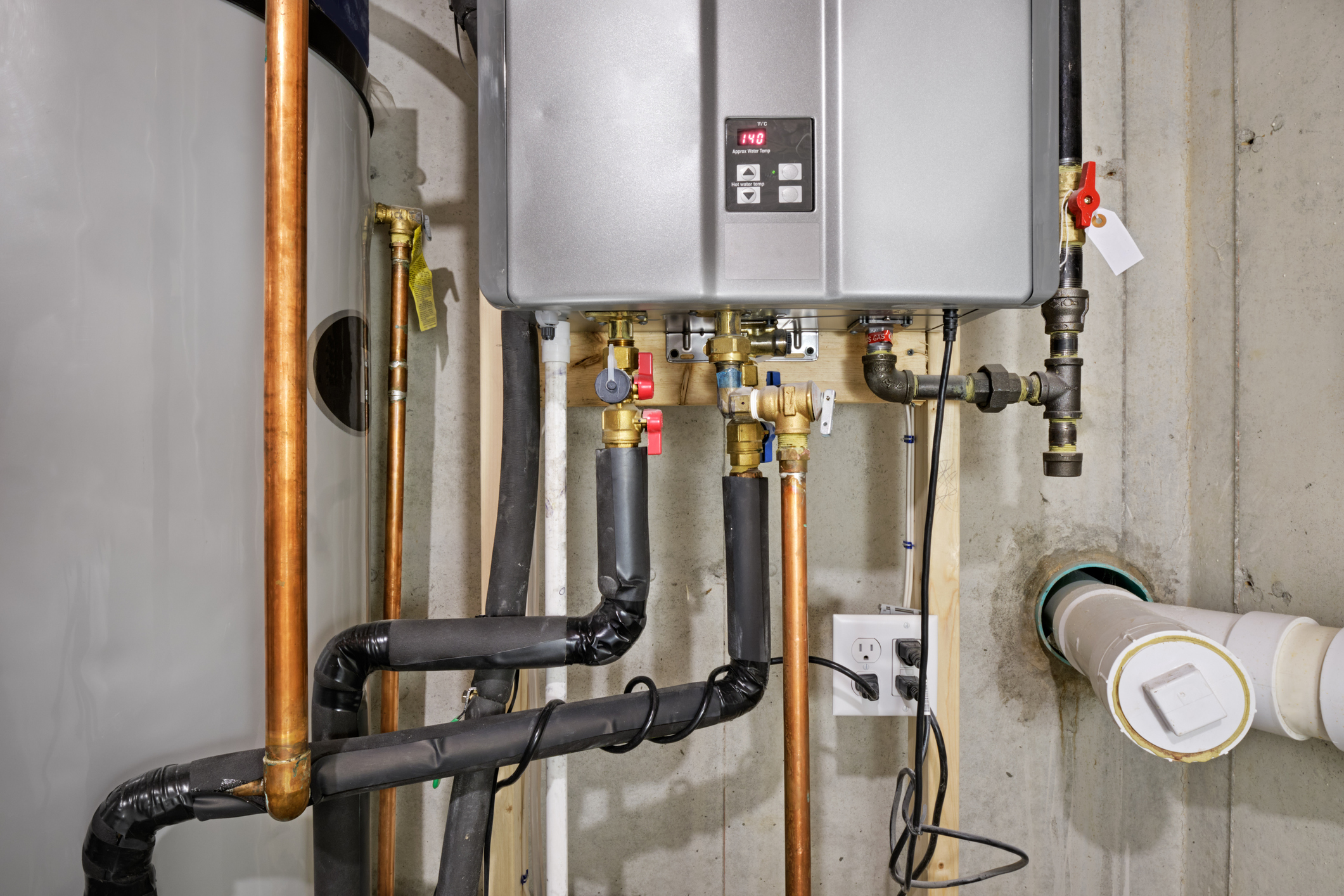
Un-vented kerosene and gas space heaters; leaking chimneys and furnaces; back-drafting from furnaces, gas water heaters, wood stoves, and fireplaces; gas stoves; generators and other gasoline powered equipment; automobile exhaust from attached garages; and tobacco smoke. Incomplete oxidation during combustion in gas ranges and un-vented gas or kerosene heaters may cause high concentrations of carbon monoxide in indoor air. Worn or poorly adjusted and maintained combustion devices (e.g., boilers, furnaces) can be significant sources, or if the flue is improperly sized, blocked, disconnected, or is leaking. Auto, truck, or bus exhaust from attached garages, nearby roads, or parking areas can also be a source.
Health Effects Associated with Carbon Monoxide
At low concentrations, fatigue in healthy people and chest pain in people with heart disease. At higher concentrations, impaired vision and coordination; headaches; dizziness; confusion; nausea. Can cause flu-like symptoms that clear up after leaving home. Fatal at very high concentrations. At moderate concentrations, angina, impaired vision, and reduced brain function may result. At higher concentrations, carbon monoxide exposure can be fatal.
Levels in Homes
Average levels in homes without gas stoves vary from 0.5 to 5 parts per million (ppm). Levels near properly adjusted gas stoves are often 5 to 15 ppm and those near poorly adjusted stoves may be 30 ppm or higher.
What Levels are Deadly?
- 35 parts per million (ppm) = No adverse effects within eight hours
- 200 ppm = Mild headache after two to three hours of exposure
- 400 ppm = Headache and nausea after one to two hours
- 800 ppm = Headache, nausea and dizziness after 45 minutes; collapse after two hours
- 1000 ppm = Loss of consciousness after one hour
- 1600 ppm = Headache, nausea and dizziness after 20 minutes; unconsciousness after 30 minutes
- 3200 ppm = Headache, nausea and dizziness after 5-10 minutes; unconsciousness after 30 minutes
- 12,800 ppm = Immediate physiological effects; unconsciousness and danger of death after only one to three minutes
Steps to Reduce Exposure to Carbon Monoxide
It is most important to be sure combustion equipment is maintained and properly adjusted. Vehicular use should be carefully managed adjacent to buildings and in vocational programs. Additional ventilation can be used as a temporary measure when high levels of carbon monoxide are expected for short periods of time.
- Keep gas appliances properly adjusted.
- Consider purchasing a vented space heater when
replacing an un-vented one. - Use proper fuel in kerosene space heaters.
- Install and use an exhaust fan vented to outdoors over gas stoves.
- Open flues when fireplaces are in use.
- Choose properly sized wood stoves that are certified to meet EPA emission standards. Make certain that doors on all wood stoves fit tightly.
- Have a trained professional inspect, clean, and tune-up central heating system (furnaces, flues, and chimneys) annually. Repair any leaks promptly.
- Do not idle the car inside garage.
Standards Guidelines
No standards for carbon monoxide have been agreed upon for indoor air. The U.S. National Ambient Air Quality Standards for outdoor air are 9 ppm
(40,000 micrograms per meter cubed) for 8 hours, and 35 ppm for 1 hour.
Carbon Monoxide Detector Installation
Call us today at 717.533.1012 or Schedule Online to have a Quicktricity Electrician properly evaluate and install a carbon monoxide detector in your home